About Naxiluva Global
Naxiluva Global is an emerging Canadian global learning and collaboration initiative. Rooted in African experience, enriched by connections across Black communities and the wider African diaspora, and open to the world, we focus on education and shared learning that can contribute to health, wellbeing, social welfare and thriving communities. We seek to connect Anglophone and Francophone participants while welcoming the knowledge and languages of communities worldwide.
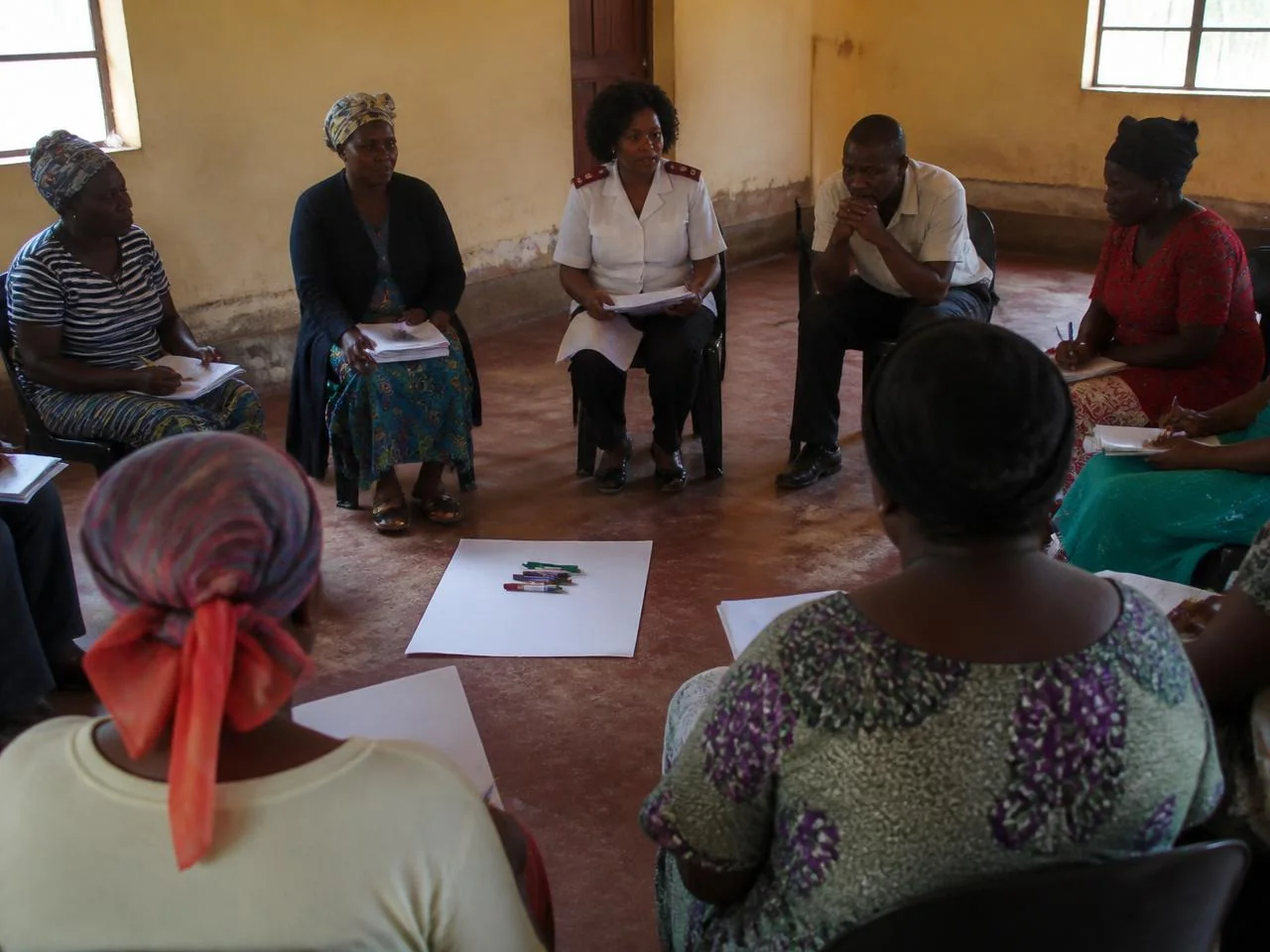
African, Black and diaspora communities are educators, innovators, knowledge creators and partners, not simply beneficiaries. We seek to elevate overlooked experience while welcoming knowledge from communities everywhere. Our emphasis is reciprocal learning, dignity, practical evidence and respect for local ownership.
Our roots and global invitation
Our name, Naxiluva, means flower. A flower begins with a seed. Given the right conditions, it takes root, grows and flourishes. We believe the same is true of knowledge and effective ideas.
Around the world, communities and organisations are already doing remarkable work. Yet valuable approaches often remain confined to the places where they originated, while others invest time and resources addressing similar challenges. We exist to help bridge that gap.
By connecting people with relevant experience, facilitating reciprocal skill-sharing and making knowledge more accessible, we help effective approaches travel, evolve and benefit others. Our work respects the people who developed these approaches, the contexts that made them successful and the importance of adapting them thoughtfully.
We are not here to reinvent the wheel. We are here to learn from what works and help it go further.

Naxiluva means flower.
Vision
A globally connected world where communities and institutions learn from one another, build on existing strengths and contribute to healthier, more inclusive and thriving societies.
Mission
To advance public education and collaborative learning in health, wellbeing, social welfare and community development by connecting communities, practitioners and institutions across linguistic and geographical boundaries through structured communities of practice, reciprocal skill-sharing, educational exchanges and accessible digital resources.